

- This event has passed.
Automation Friendly Ambient Storage for Biobanking Whole Blood Samples

HLA Sample Archiving Using Dried Blood Spot Technology
Tuesday, January 21, 2:00pm ET
60-Minute Webinar with Q&A
Automation of sample collection for biobanking is desirable due to large numbers of samples. The need for secure and easy access to individual samples makes manual operation nearly impossible. Biobanks are often tasked with the maintenance of many samples while not necessarily equipped with expensive fully automated systems to support the workload. GenPlates™ from GenTegra offer an affordable and unique format for storing raw liquid biological samples on paper in the form of a dried blood spot (DBS). Each sample aliquot is contained in a single compartment of a half-height microplate with a unique human readable barcode. Manual or automated systems allow for accurate sample tracking. GenTegra GenPlates, as with all DBS samples, require humidity-controlled storage to ensure long-term stability.
Join Shanavaz Nasarababi, President & Director of R&D at GenTegra, and Patty Weingard, MT(ASCP), CHT(ABHI), HLA Supervisor at Emory University Hospital Histocompatibility and Immunogenetics Lab, for a discussion about the advantages and requirements for automated DBS storage, along with an example of real-world use in an HLA laboratory.
A secure archive of each transplant patient and the transplant organ is a vital role of every HLA laboratory. The Emory University Hospital Histocompatibility and Immunogenetics Lab chose GenTegra’s GenPlates as their storage medium. Each GenPlate stores up to 24 patient samples with up to 6 individual samples per patient ensuring redundancy and decades of risk-free storage. Sample recovery, when required, is facilitated by the barcode on each GenPlate making sample tracking possible with any LIMS or simple sample tracking software. The use of GenTegra’s Personal Archive™ storage cabinets also provide barcode identification for each plates’ storage location.
Speakers
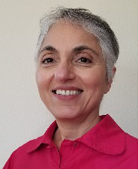
Join Shanavaz Nasarababi, President & Director of R&D at GenTegra
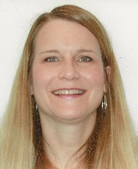
Patty Weingard, MT(ASCP), CHT(ABHI), HLA Supervisor at Emory University Hospital Histocompatibility and Immunogenetics Lab